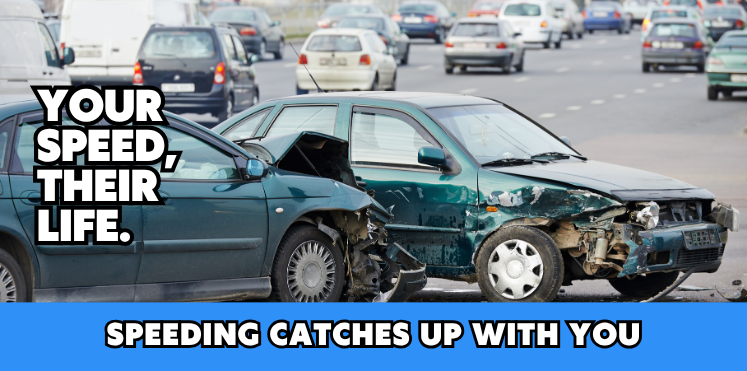
Speeding is a significant factor in thousands of fatal crashes and countless injuries each year. In 2024, there were 11,288 traffic fatalities related to speeding, which constituted 29% of all traffic deaths. Among drivers aged 15 to 20 involved in fatal accidents, 39% of males and 20% of females were speeding at the time of the crash.
Exceeding speed limits increases the likelihood of losing control and hampers a driver’s ability to react safely to traffic, hazards, and sudden road changes. Speed limits are established to maintain safe and predictable speeds, enabling all road users to anticipate one another’s actions and share the roadway effectively. Driving faster than the posted limit impairs a driver’s capacity to accurately judge distance and time, increasing the risk of serious and fatal accidents.
Speeding is not just reckless; it is a dangerous behavior that compromises a driver’s ability to navigate safely around other vehicles, obstacles, or unexpected curves. Speed limits exist to ensure the safety of all road users. Every mile per hour over the limit raises the risk of accidents and the potential severity of injuries. Ignoring speed limits and driving too quickly for road conditions endangers everyone. No justification – whether it’s being late, encountering traffic, or anything else – makes speeding acceptable. The repercussions of speeding can range from hefty fines and possible jail time to, tragically, crashes resulting in injuries or fatalities.
Adhering to posted speed limits is not only a legal obligation but also a collective responsibility to safeguard all lives on the road. Drivers and riders should prioritize safety by slowing down and remaining attentive to their surroundings.
For more information on speeding, visit NHTSA.gov/StopSpeeding.