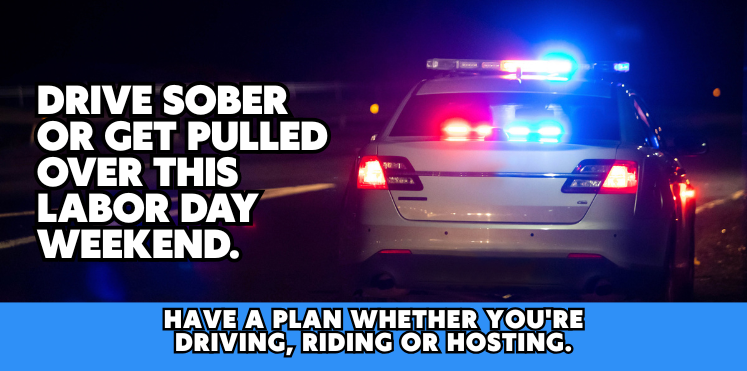
From August 19 to September 7, 2026, the U.S. Department of Transportation’s National Highway Traffic Safety Administration (NHTSA) will collaborate with local law enforcement to combat drunk and drug-impaired driving. The goal is to save lives and minimize serious injuries during the Labor Day holiday weekend. NHTSA encourages all drivers to avoid impaired driving, as it is illegal in all 50 states to operate a vehicle under the influence of any substance.
2024 Labor Day Statistics
During the 2024 Labor Day holiday (from 6:00 PM on August 30 to 5:59 AM on September 3), there were 505 traffic crash fatalities across the nation. Among these fatalities, 34% involved a drunk driver. Alarmingly, 77% of the impaired drivers who lost their lives had a blood alcohol concentration (BAC) of 0.15 or higher. Additionally, 40% of drivers aged 18 to 34 who died in crashes over the 2024 Labor Day weekend were intoxicated, with BACs of 0.08 or more.
The Impact of Marijuana on Driving
Many individuals mistakenly believe that being high does not impair driving skills. However, research indicates that marijuana can slow reaction times, hinder cognitive abilities, and make it challenging for drivers to maintain a steady lane position.
Safety Tips for Drivers
-
Those planning to use drugs should not drive. Even over-the-counter and prescription medications can impair driving capabilities.
-
Arrange for a designated sober driver or use a taxi or rideshare service for a safe ride home.
If someone finds themselves unable to drive, they should hand their keys to a sober individual who can ensure they get home safely. Friends should be proactive if they notice someone who has used drugs and is contemplating driving. Take away their keys and help them find a sober transportation option. If you see an impaired driver, please contact local law enforcement when it is safe to do so.
Planning Ahead for a Safe Ride
If you plan to drink during Labor Day celebrations, map out a safe ride home in advance by securing a designated driver or calling a taxi or rideshare service. Don’t wait until after drinking to figure out transportation, as impairment can cloud judgment and pose a danger to everyone on the road.
For additional information on impaired driving, please visit NHTSA.gov.